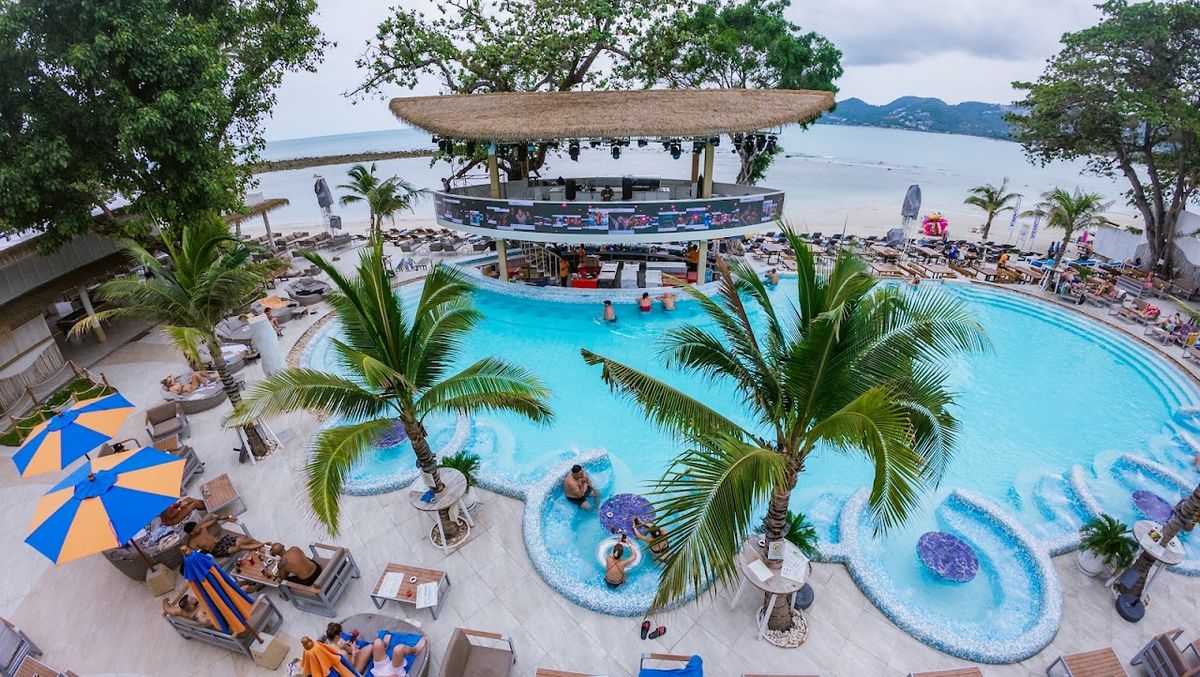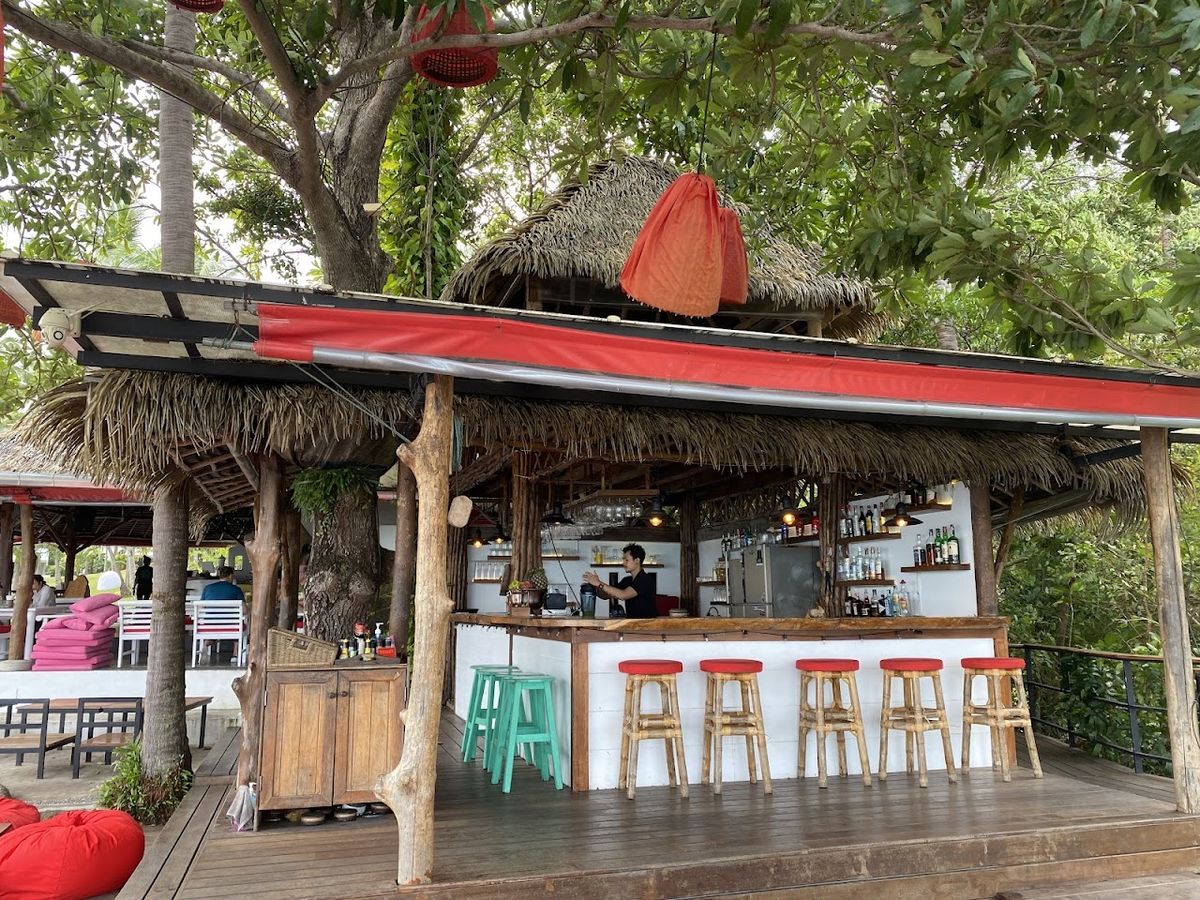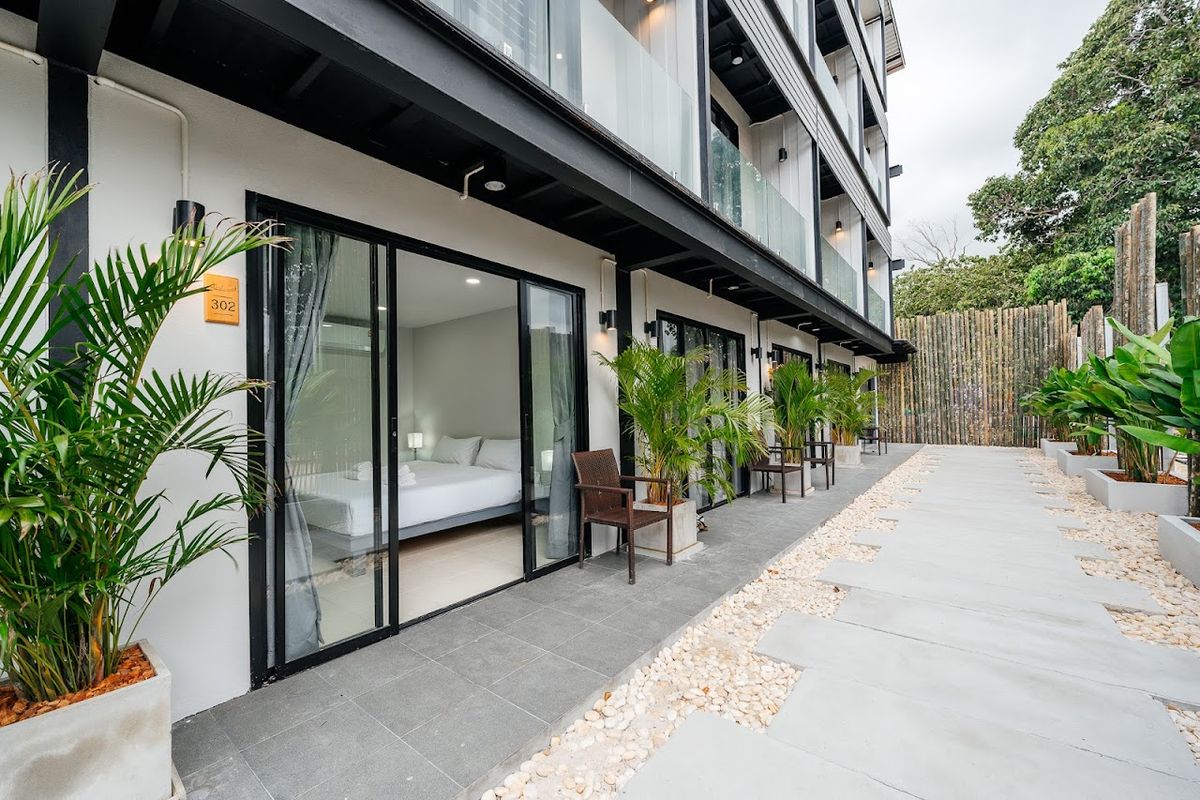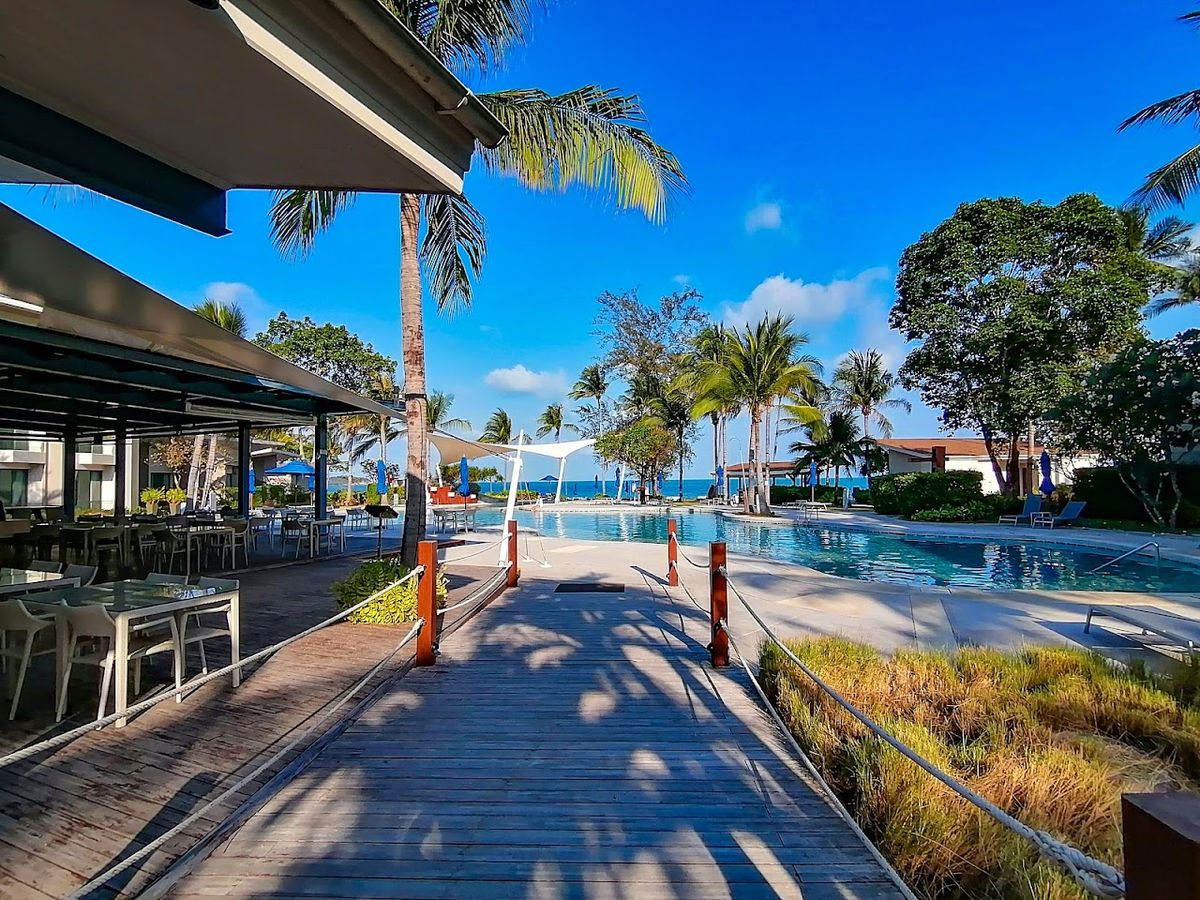
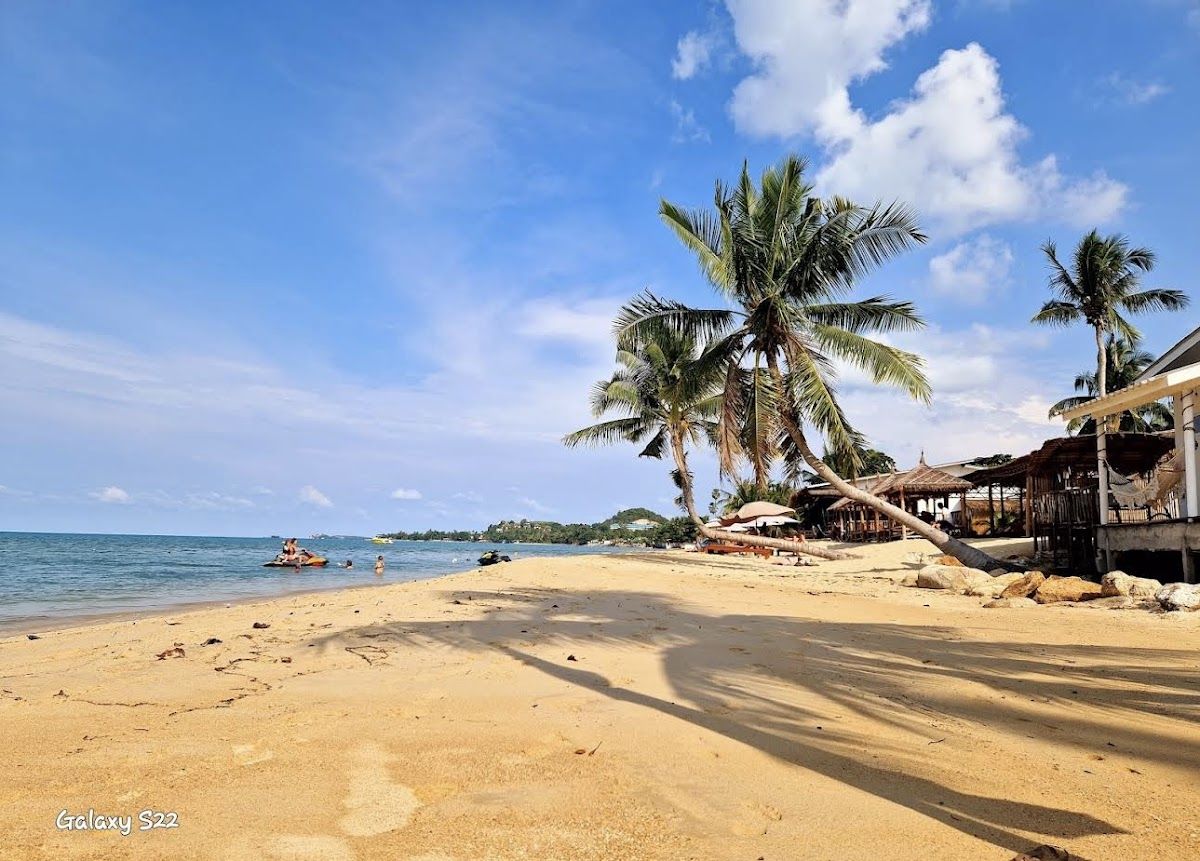
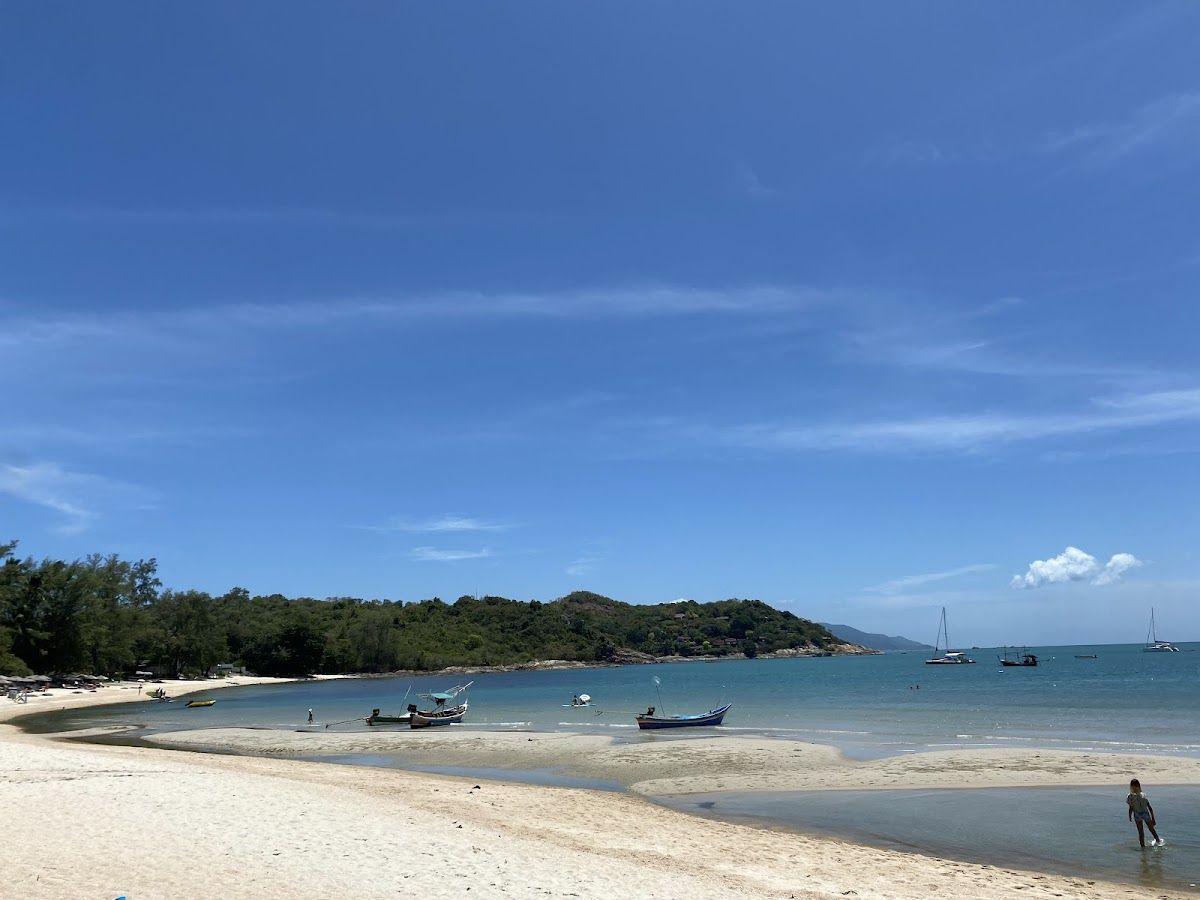
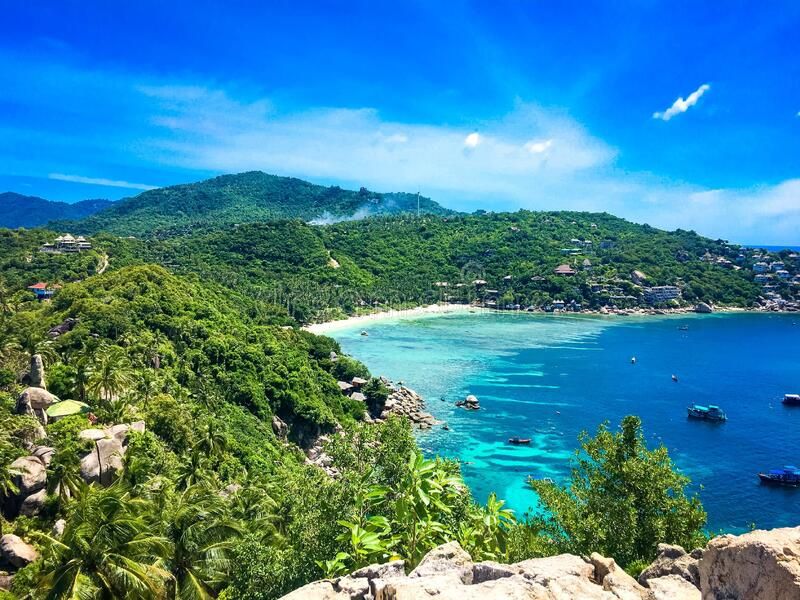
Koh Tao sits about 70km north-west of Koh Samui — around two hours by high-speed catamaran. Most people go for the diving. The island has trained beginner divers for decades and the concentration of schools keeps prices low enough that a PADI Open Water course here is cheaper than almost anywhere else in Southeast Asia with equivalent conditions. Every second business on the main strip sells gear, runs boats, or rents tanks.
You can make it a day trip on the scheduled ferry, though six hours on the island is tight. For any real diving, plan at least two nights — three for an Open Water course.
The short version
- Ferry operator: Lomprayah runs the main high-speed catamaran from Maenam and Nathon piers on Samui; journey time ~1h45–2h
- Fares: ฿450–600 per person one way (Lomprayah); book in advance in high season
- Departures from Samui: roughly 8am and 1pm — check current schedules on 12Go or Lomprayah’s site as times vary by season
- Last return from Koh Tao: approximately 16:30 — confirmed at the pier before you commit to anything on the island
- Day trip or overnight: a day trip is enough for snorkelling and the Koh Nang Yuan viewpoint; a dive course or serious exploration requires 2+ nights
- Main beach: Sairee Beach — the longest stretch of sand, where most accommodation and dive schools are
- Dive prices: PADI Open Water from ฿9,900; fun dives ฿800–1,000 per dive
Getting there: the ferry from Koh Samui
The main operator is Lomprayah, which runs a high-speed catamaran that connects Koh Samui to Koh Tao via Koh Phangan. The crossing takes roughly 1 hour 45 minutes from Maenam Pier (north coast) and closer to 2 hours from Nathon Pier (west coast), with a brief Koh Phangan stop in between.
Departure piers on Samui:
- Maenam Pier (north coast): convenient if you’re staying in Bophut, Maenam, Bangrak or Choeng Mon. Taxi from Chaweng takes around 20–30 minutes.
- Nathon Pier (west coast): the alternative Lomprayah departure point. More practical if you’re based on the west coast. From Chaweng allow 40–55 minutes; from Lamai, 50–60 minutes.
Songserm also operates a slower conventional ferry on this route at lower fares (around ฿300–400), though the crossing can take 3+ hours. Not worth it for a day trip; only makes sense if you are price-sensitive and have no time pressure.
One-way fares on Lomprayah run ฿450–600 per person depending on season and departure point. Book ahead in December–January and July–August — boats sell out. The 12Go Asia booking platform is the easiest way to compare current prices and departures. Tickets can also be bought through most accommodation on Koh Samui and at the pier on the day, subject to availability.
Arriving at Koh Tao: all Lomprayah services dock at Mae Haad Pier, on the west coast. Sairee Beach — the main tourist area — is a 10–25-minute walk north depending on where along the beach you’re headed, or a short songthaew ride.
Day trip versus overnight stay
A day trip works, but the clock is against you. Taking the ~8am ferry from Maenam, you arrive at Mae Haad around 10am. The last practical return from Koh Tao is around 16:30 — confirm this at the pier when you arrive, as schedules shift by season — giving you roughly six hours on the island.
Six hours is enough to:
- Visit Koh Nang Yuan and do the viewpoint hike
- Snorkel at one or two reef spots off the island
- Swim at Sairee Beach and have lunch
Six hours is not enough to:
- Start any dive course (minimum two days for Open Water)
- Explore the full island by scooter
- Do Sail Rock or Chumphon Pinnacle (offshore sites requiring longer boat trips)
If you are primarily a snorkeller or want the viewpoint photos, a day trip works. If diving is the draw, you need at least two nights minimum — three is more comfortable for the Open Water course.
The most popular alternative for snorkellers is a guided speedboat day trip from Koh Samui that includes Koh Nang Yuan and Koh Tao snorkel stops. Operators depart from north-coast piers around 7–8am and return by 5–6pm. Expect to pay ฿1,800–2,200 per person for a shared group tour including gear, lunch and hotel transfers — a faster crossing than the scheduled ferry, and the snorkel stops are pre-planned, which suits first-timers. Check GetYourGuide or Viator for current operators and prices.
Koh Nang Yuan
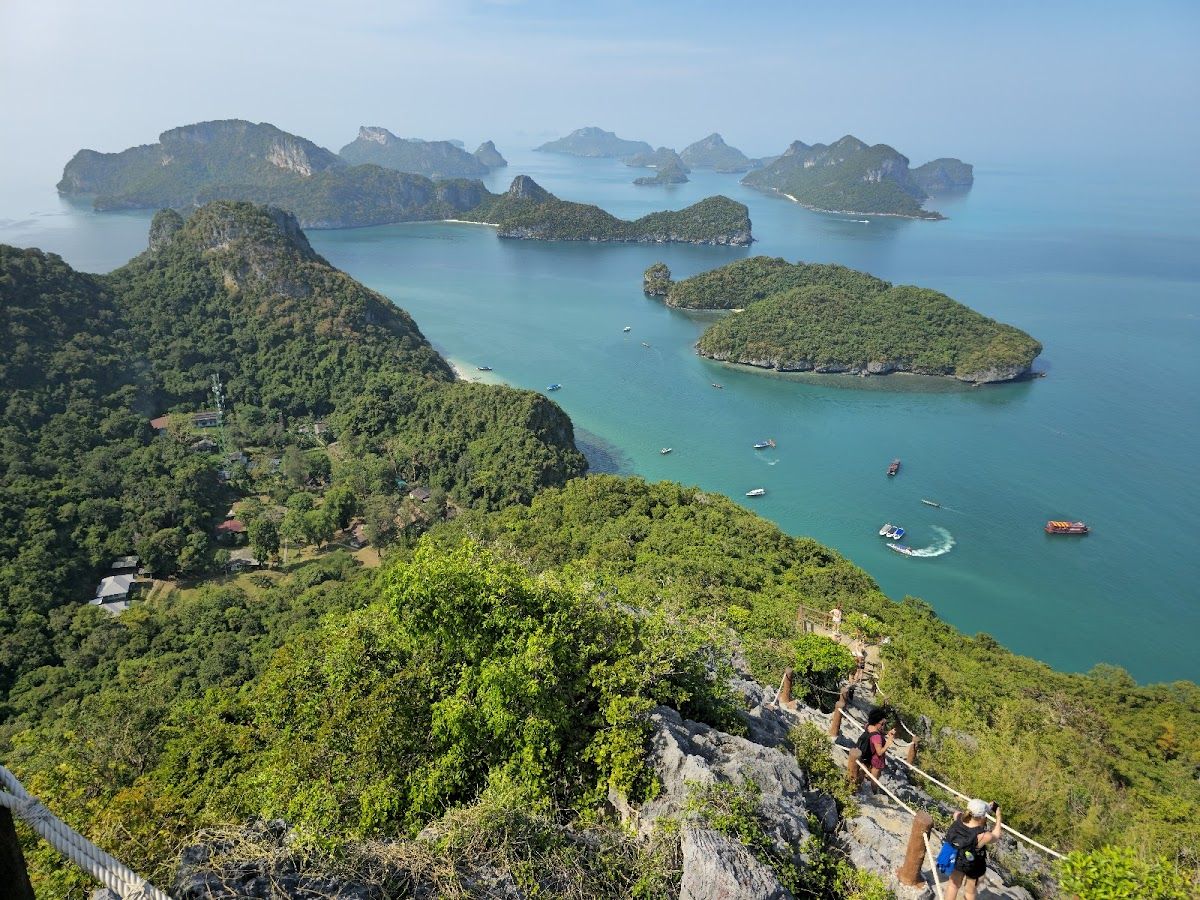
The small island cluster just off Koh Tao’s northwest tip is the one image that appears in every Gulf of Thailand travel guide: three rocky peaks connected by narrow sand bars, photographed from the viewpoint above to show the full Y-shaped formation. It deserves its reputation.
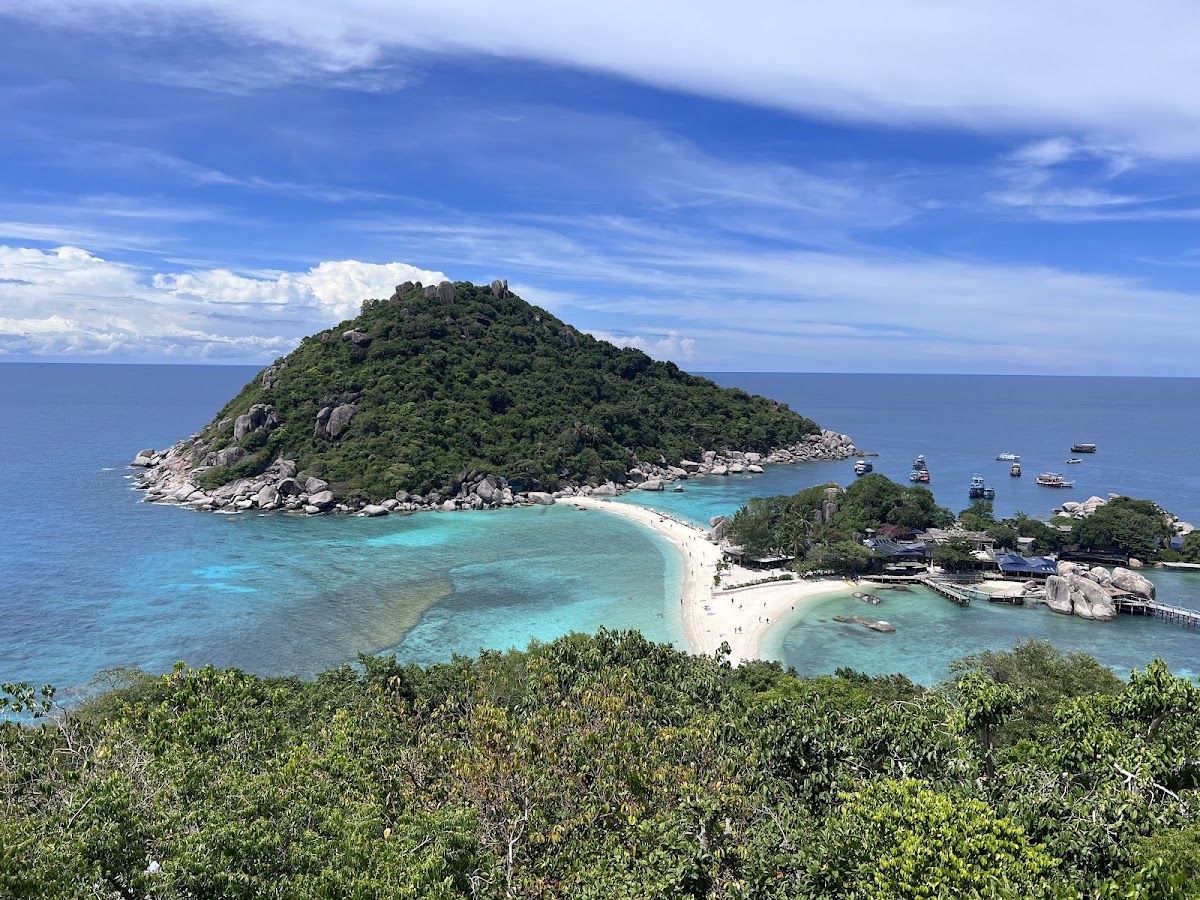
Entry fee: ฿250 per person. The island is open 9:30am–5pm. No plastic water bottles are permitted — you will be asked to empty or leave them at the entrance. The island sells refillable bottles.
The viewpoint hike takes about 20 minutes up and is rocky and steep in places; flip-flops will make it harder than it needs to be. The snorkelling directly off the beach at Koh Nang Yuan is some of the clearest around Koh Tao — depths are shallow and accessible to beginners.
Getting there from Mae Haad Pier on Koh Tao: take a taxi boat from the pier (around ฿100–150 per person each way). Return boats run regularly; agree on a pickup time with your boatman.
Diving on Koh Tao
Koh Tao has trained beginner divers for decades. Certifications here are cheaper than almost anywhere else with comparable conditions, and the number of schools means real competition on price — though it also means variable quality, so checking instructor ratios and gear condition before you commit to a school matters.
Courses
PADI Open Water (beginner certification): ฿9,900–12,000 depending on the school, including all equipment, theory materials, pool sessions and four open-water dives. The standard schedule is three days; some schools offer a compressed two-day version if conditions allow. At this price, Koh Tao undercuts most island diving destinations in Asia significantly.
PADI Advanced Open Water: typically ฿8,000–10,000 for five adventure dives, including deep, navigation, and three electives of your choice. Many divers do this on the same trip as, or immediately after, their Open Water.
Fun dives
If you already hold a certification, fun dives run ฿800–1,000 per dive. Most schools offer discounts for multi-dive packages — buying 10 dives at once can bring the per-dive cost down to ฿700 or less. Dive packages including equipment rental, a dive master, and a boat are standard.
Top dive sites
Sail Rock: a pinnacle that rises from 5m depth to the surface, about 20km north of Koh Tao between Koh Tao and Koh Phangan. One of the Gulf of Thailand’s most productive sites — strong currents bring good visibility and whale sharks pass through here between March and May. The boat crossing takes 40–45 minutes by speedboat or up to 90 minutes on a standard dive boat; the full day trip from pier to pier runs around 6 hours. More suitable for confident Open Water divers than beginners.
Chumphon Pinnacle: the other top-tier site, similar distance offshore. Four granite pinnacles with strong currents and consistent pelagic activity. Whale shark sightings are more likely in season (March–May) but never guaranteed. Conditions here can be more demanding — suits more experienced divers.
HTMS Sattakut wreck: a former US Navy vessel (later Thai Navy) deliberately sunk in June 2011 to create an artificial reef. The hull sits at 27–30m depth with the mast reaching up to 18m. Requires Advanced Open Water certification minimum. Wreck penetration is possible with a specialty course. One of the more interesting dives around the island for the deeper, more experienced crowd.
Koh Nang Yuan dive sites: accessible from the island itself, the granite formations and swim-throughs around Koh Nang Yuan are well-suited to beginners. Depths are manageable and the marine life — including reef sharks and turtles — is consistent.
Whale shark timing: if this is the goal, come between March and May. Sightings are unpredictable but significantly more likely in these months.
For non-divers
Koh Tao is worth a visit even without going underwater, though you’ll get less out of it than a diver would.
Snorkelling: the reef around Koh Nang Yuan and the rock formations south of Mae Haad Pier have enough fish and coral to keep snorkellers engaged for a morning. You can rent basic mask and fin sets at Mae Haad from around ฿100–150. For better coverage, join a half-day snorkelling boat tour from the pier — typical price ฿500–900 per person including gear and multiple stops.
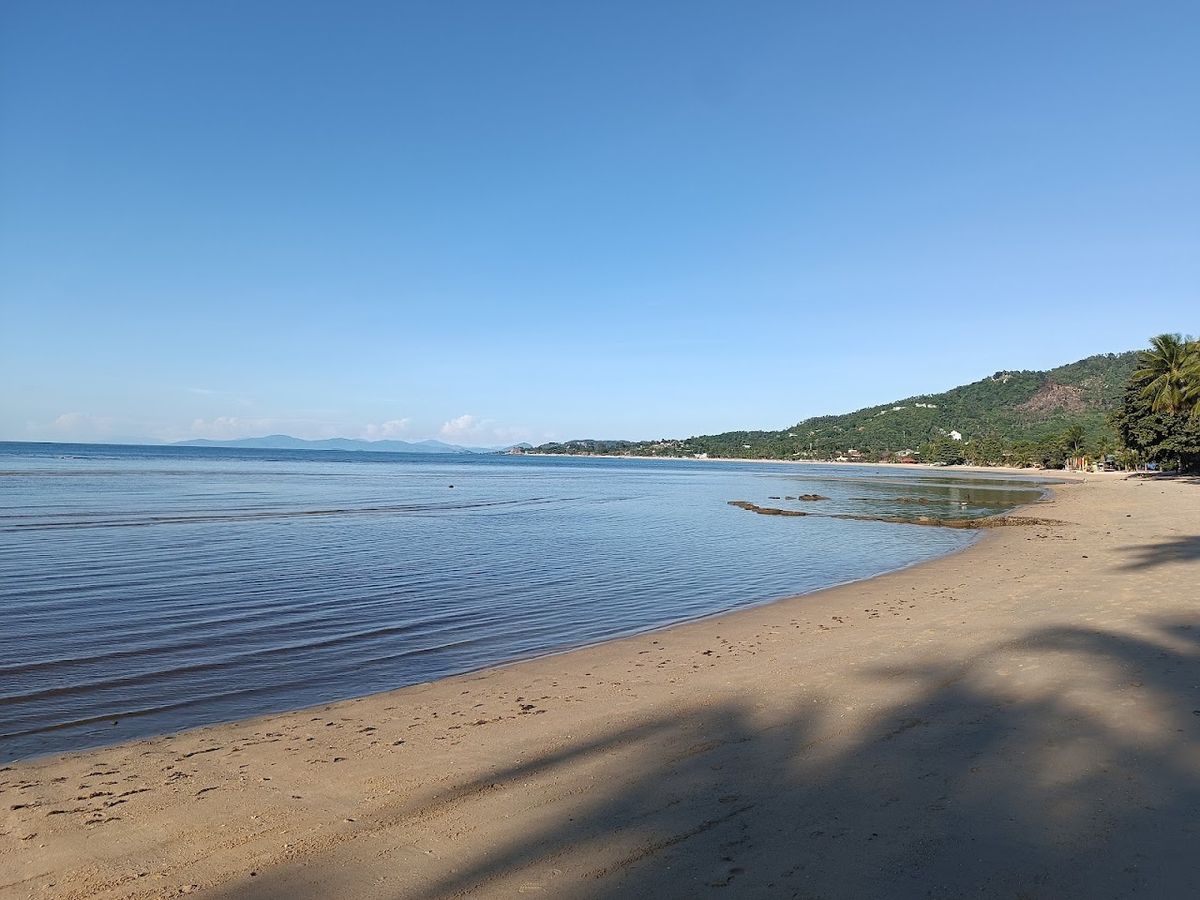
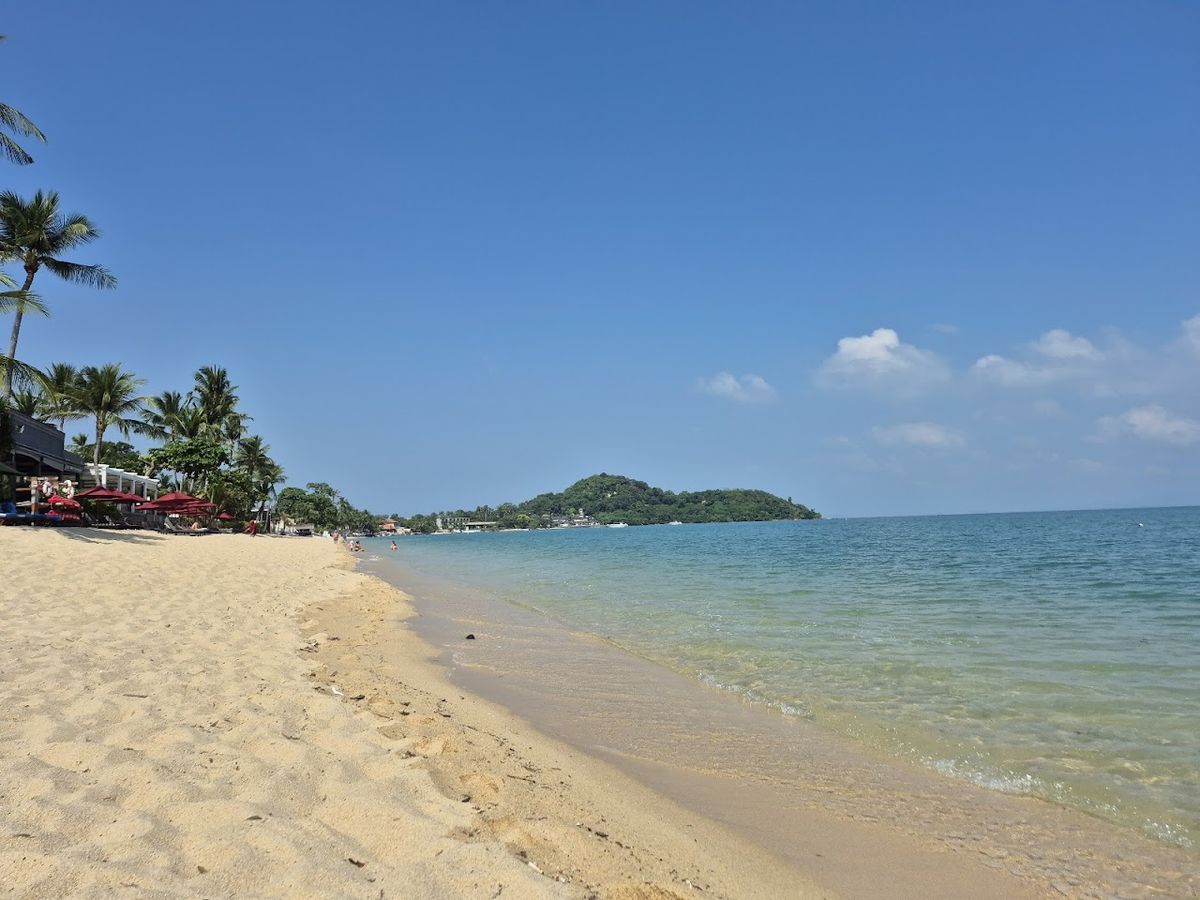
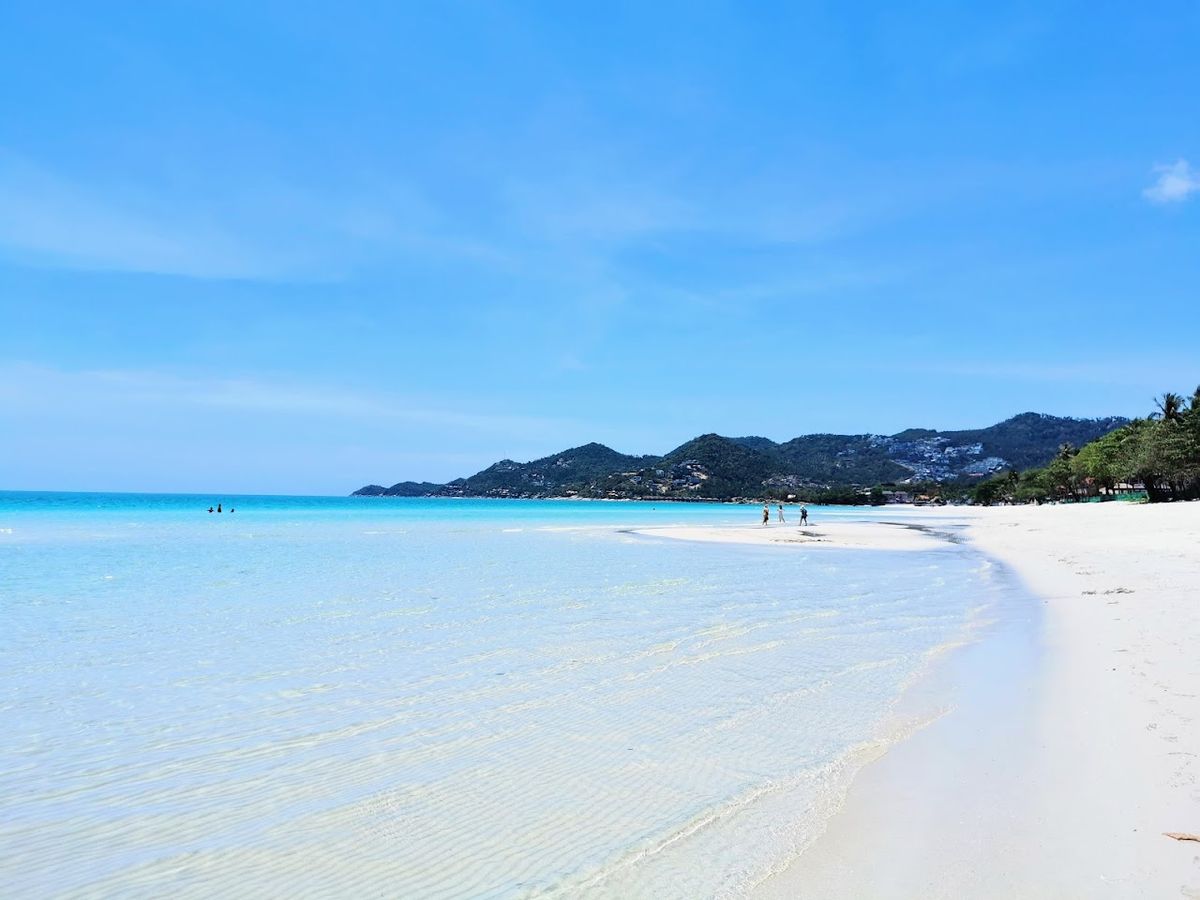
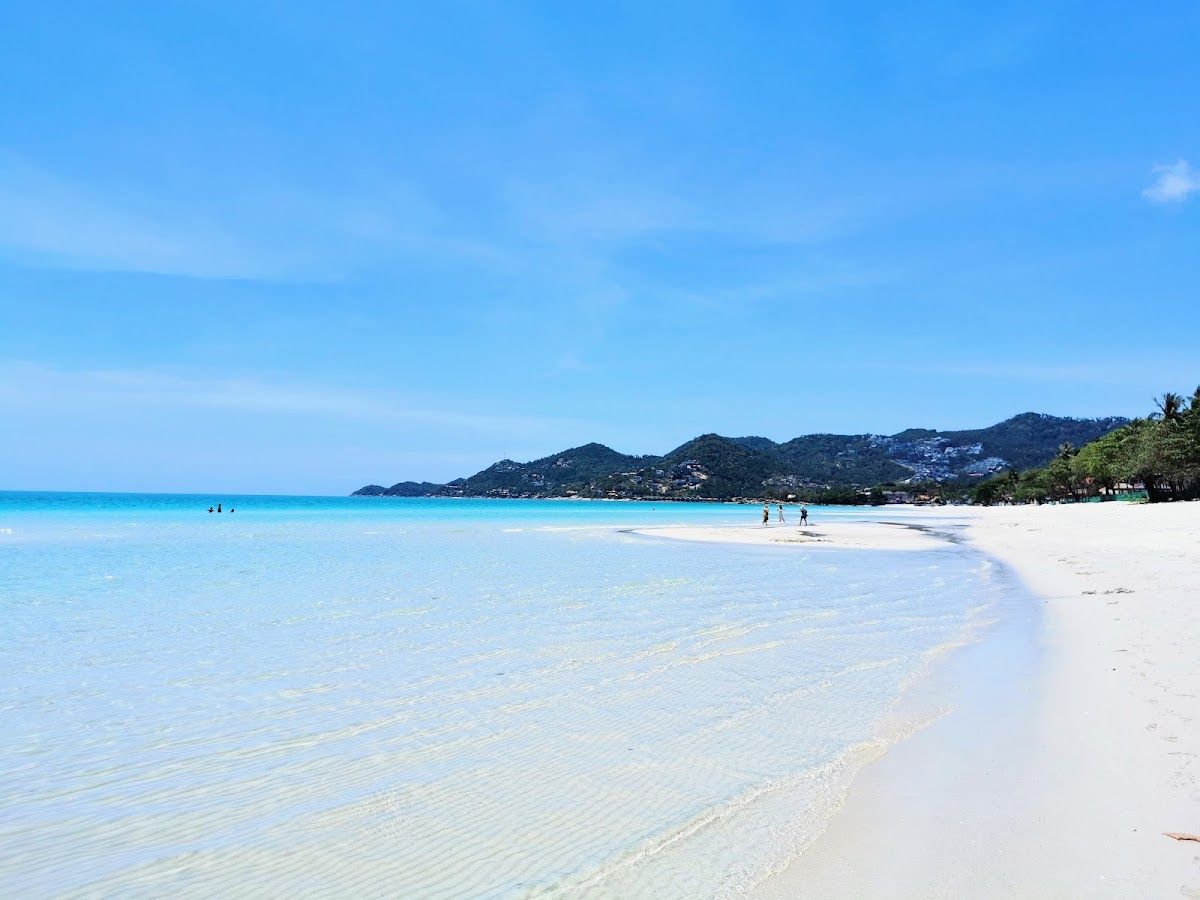
Sairee Beach: the longest beach on the island runs north of Mae Haad along the west coast. The water is calm in the dry season (January–April, July–August) and gets choppier in the shoulder months. The beach strip has bars, restaurants and shops — this is where most accommodation is and where most of the island’s nightlife clusters.
John Suwan Viewpoint: a hike from the south of the island gives panoramic views back over Sairee and the Gulf. It’s steep and takes about 30–45 minutes up. Not as dramatic as the Koh Nang Yuan viewpoint but a good morning option if you’re staying overnight.
Freedom Beach: on the south coast, a small bay with clear water and a more secluded feel than Sairee. Entry costs ฿100. Requires either a scooter or a taxi boat to reach.
Getting around on Koh Tao
The island is small — roughly 21km² — but the interior is steep and roads away from the flat west coast coast get narrow and challenging in wet conditions.
Scooter hire: ฿200–300 per day at multiple points along Sairee Beach. Riding in the wet season or at night on Koh Tao’s hillier roads carries real risk — the island has a disproportionately high scooter injury rate among tourists. Take the road conditions seriously.
Songthaews: shared pickup trucks run between Mae Haad and Sairee Beach and out to Hat Sai Daeng on the south coast. Useful for single journeys; agree the fare before you ride.
Taxi boats: small boats that run coastal routes between bays. The only practical way to reach some of the more remote east-coast beaches. Negotiate the fare at the pier.
Practical notes
Best months for Koh Tao: January–April and July–August offer the calmest seas and best underwater visibility. October and November can see rough crossings and choppy conditions around the island. The north-east monsoon that affects Koh Samui’s east coast hits Koh Tao less severely, but the ferry crossing can still be unpleasant in bad weather.
Sea conditions and the crossing: the open-sea section of the Samui–Koh Tao ferry is the roughest part of the Gulf. If you are susceptible to seasickness, take medication before boarding and sit at the stern or mid-section of the catamaran rather than the bow.
No-fly after diving: standard guidance is to wait at least 18–24 hours after your last dive before flying, and 24+ hours after multiple days of diving. Factor this into your Koh Samui departure date if you’re doing a dive course.
Cash: the main ATMs are in Mae Haad town. Carry enough for the day — card acceptance is patchy at smaller dive schools, beach bars and boat operators. ATM fees apply (typically ฿220 per withdrawal from foreign cards).
Booking dive courses: book your course before you arrive, particularly in high season (December–January, July–August) when the reputable schools fill up fast. Most schools have online booking. Arrive the day before you want to start if you can — it gives you an afternoon to scope the school, confirm equipment, and complete paperwork without rushing.
Combined trips: if you’re planning a broader island-hopping trip from Koh Samui, Koh Tao fits well alongside a Koh Phangan day trip — though not on the same day. The two islands are in opposite directions from Samui (Koh Phangan is north and closer; Koh Tao is further northwest). The Ang Thong Marine Park guide covers another day-trip option for those prioritising scenery and kayaking over diving.
For a trip structure that includes both islands, the 4-day Koh Samui itinerary slots island excursions into a manageable schedule. And if you’re still deciding what base to use for north-coast pier access, Bophut is one of the closer areas to both Maenam and Bangrak piers.
FAQ
How long is the ferry from Koh Samui to Koh Tao?
Lomprayah’s high-speed catamaran takes approximately 1 hour 45 minutes from Maenam Pier and around 2 hours from Nathon Pier, with a stop at Koh Phangan on the way. Songserm’s slower conventional ferry takes 3 hours or more.
How much does the Koh Samui to Koh Tao ferry cost?
Lomprayah charges ฿450–600 per person each way, depending on departure point and season. Book in advance for high season (December–January and July–August). The slower Songserm service is cheaper — around ฿300–400 — but adds significant time to the crossing.
Is Koh Tao worth it as a day trip from Koh Samui?
For snorkelling and the Koh Nang Yuan viewpoint, yes. You get about 6 hours on the island using the morning ferry, which is enough. For a dive course or proper exploration of the island, plan at least two nights — preferably three if you’re doing Open Water.
How much does diving cost on Koh Tao?
A PADI Open Water course runs ฿9,900–12,000 at most schools, including all equipment and materials. Fun dives for already-certified divers cost ฿800–1,000 each, with multi-dive packages reducing the per-dive price. Koh Tao is one of the cheapest places in the world for quality PADI certification.
What is the best time of year to go diving at Koh Tao?
January–April has the best visibility and calmest conditions. July–August is also reliable. For whale shark encounters, March to May is the peak window at Sail Rock and Chumphon Pinnacle. October–November is the least predictable period, with rougher seas and reduced visibility at some sites.
Do you need Advanced Open Water for Koh Tao diving?
No — Open Water certification is enough for most sites around the island, including Koh Nang Yuan and the accessible Sail Rock and Chumphon Pinnacle trips. The HTMS Sattakut wreck requires Advanced Open Water due to its depth (27–30m). Courses for both certifications are readily available on the island.
What pier does the Koh Tao ferry leave from on Koh Samui?
Lomprayah ferries depart from Maenam Pier on the north coast and Nathon Pier on the west coast. All services arrive at Mae Haad Pier on Koh Tao. Check current departure times on the Lomprayah website or 12Go Asia before travelling — schedules shift by season.